

Author: Anusha Upadhyay

  • Effective Diabetes Management: A Clinical Guide for Patients​

    Effective Diabetes Management: A Clinical Guide for Patients​


    Arogyadhama Hosptital

    Dargah Jail Road

    Vijayapura, 586103

    Call Us

    +91-74112-00102


    Book Appointment

    Effective Diabetes Management in 2026: A Clinical Guide for Patients

    Diabetes management has undergone a paradigm shift in recent years, moving far beyond the simple monitoring of blood sugar levels. As we navigate 2025 and 2026, the clinical focus has expanded to a holistic approach that prioritizes cardiovascular health, kidney protection, and mental well-being alongside glycemic control. For the millions living with diabetes, this new era offers more tools than ever before—from dual-action injectable therapies to artificial intelligence-driven monitoring systems. However, with these advancements comes the need for patients to be deeply informed partners in their own care. Understanding the latest clinical standards is no longer just for healthcare providers; it is an essential component of patient empowerment and long-term vitality.

    The Shift to Person-Centered Care

    The “one-size-fits-all” approach to diabetes is obsolete. The 2025 ADA Standards of Care emphasize a patient-centered model that considers individual comorbidities, preferences, and social determinants of health. This means that treatment goals are no longer solely defined by an HbA1c number but by a comprehensive risk assessment. For instance, clinicians are now advised to use inclusive, person-first language—referring to “people with diabetes” rather than “diabetics”—to reduce stigma and encourage engagement. Furthermore, screening protocols have been updated; the age for initial prediabetes screening has been lowered to 35 for many populations, and there is a heightened emphasis on screening for presymptomatic Type 1 diabetes in individuals with a family history. This proactive stance allows for earlier interventions that can preserve beta-cell function.

    Pharmacotherapy: Beyond Glucose Control

    Perhaps the most significant clinical evolution is the prioritization of organ protection. Modern pharmacotherapy guidelines recommend that for patients with Type 2 diabetes and established cardiovascular disease, heart failure, or chronic kidney disease (CKD), certain medications should be prescribed independent of their HbA1c levels.

    Two classes of drugs have revolutionized this space:

    • GLP-1 Receptor Agonists and Dual Agonists: Medications like semaglutide and the newer dual GIP/GLP-1 receptor agonist, tirzepatide, have demonstrated profound efficacy not just in lowering blood sugar, but in inducing significant weight loss and reducing the risk of stroke and heart attack.
    • SGLT2 Inhibitors: Originally designed to lower glucose by excreting it in urine, these agents are now foundational in treating heart failure and slowing the progression of diabetic kidney disease.

    For patients, this means that a prescription change might not indicate that their diabetes is getting “worse,” but rather that their physician is proactively protecting their heart and kidneys.

    The Technology Revolution: CGM and Time in Range

    Continuous Glucose Monitoring (CGM) has transitioned from a niche tool for Type 1 diabetes to a standard of care for a much broader population. The ADA 2025 guidelines now recommend considering CGM for adults with Type 2 diabetes who are on non-insulin therapies, recognizing that real-time feedback drives better lifestyle decisions.

    This technology has elevated a new metric: Time in Range (TIR). While HbA1c provides a three-month average, it can mask dangerous highs and lows. TIR measures the percentage of time a person’s blood glucose stays between 70 and 180 mg/dL. aiming for a TIR of greater than 70% is associated with a significantly lower risk of microvascular complications. Furthermore, the integration of CGMs with Automated Insulin Delivery (AID) systems—often called “artificial pancreases”—is automating basal insulin adjustments, drastically reducing the mental burden of the disease.

    Medical Nutrition Therapy (MNT) and Weight Management

    Nutritional guidance has become more flexible and evidence-based. Rigid diets are out; sustainable eating patterns are in. Medical Nutrition Therapy now focuses on quality over strict quantity. The Mediterranean diet, rich in healthy fats, whole grains, and vegetables, remains the gold standard for metabolic health.

    Weight management has also moved to the forefront of Type 2 diabetes remission strategies. Guidelines suggest that weight loss of 3-7% can improve glycemia, but losses of 10-15% or more may be required to potentially induce remission. Clinicians are increasingly combining MNT with pharmacotherapy to help patients achieve these targets safely. For those using insulin, “carb counting” remains a critical skill, but for others, the emphasis is on avoiding ultra-processed foods and sugar-sweetened beverages.

    Addressing Diabetes Distress and Psychosocial Health

    Living with a chronic condition takes a heavy toll on mental health, a phenomenon clinically recognized as “diabetes distress.” It is distinct from depression and relates specifically to the overwhelming burden of self-management. The European Association for the Study of Diabetes (EASD) and the ADA have recently aligned to recommend routine screening for diabetes distress, anxiety, and fear of hypoglycemia.

    Healthcare providers are now encouraged to evaluate a patient’s psychosocial status at least annually. For patients, acknowledging these feelings is a vital part of management. If the daily grind of monitoring and medicating feels unmanageable, it is a clinical symptom that warrants support—whether through behavioral therapy, peer support groups, or adjusting the treatment regimen to reduce complexity.

    Conclusion

    Effective diabetes management in the late 2020s is defined by precision, prevention, and partnership. The days of passive patienthood are behind us. By leveraging advanced pharmacotherapy like GLP-1s, utilizing data from CGMs to increase Time in Range, and addressing the psychological realities of the condition, patients can achieve outcomes that were impossible just a decade ago. If you are living with diabetes, engage your healthcare team in these conversations. Ask about your kidney risk, discuss your Time in Range, and advocate for a treatment plan that fits your life, not just your lab results.






    Hospital Footer


  • Decoding Heart Attack Symptoms Before It’s Too Late

    Decoding Heart Attack Symptoms Before It’s Too Late


    Arogyadhama Hosptital

    Dargah Jail Road

    Vijayapura, 586103

    Call Us

    +91-74112-00102


    Book Appointment

    Decoding Heart Attack Symptoms Before It’s Too Late

    The human heart is a tireless engine, beating roughly 100,000 times a day to sustain life. Yet, when this engine begins to fail, it doesn’t always signal its distress with the dramatic, chest-clutching collapse we often see in movies. In reality, the signs of a myocardial infarction—commonly known as a heart attack—can be subtle, confusing, and easily dismissed as indigestion or fatigue. Understanding these biological whispers before they turn into a scream is critical. With cardiovascular disease remaining the leading global cause of death, the ability to distinguish between a fleeting ache and a medical emergency is a life-saving skill everyone should possess.

    Anatomy of a Crisis: Heart Attack vs. Cardiac Arrest

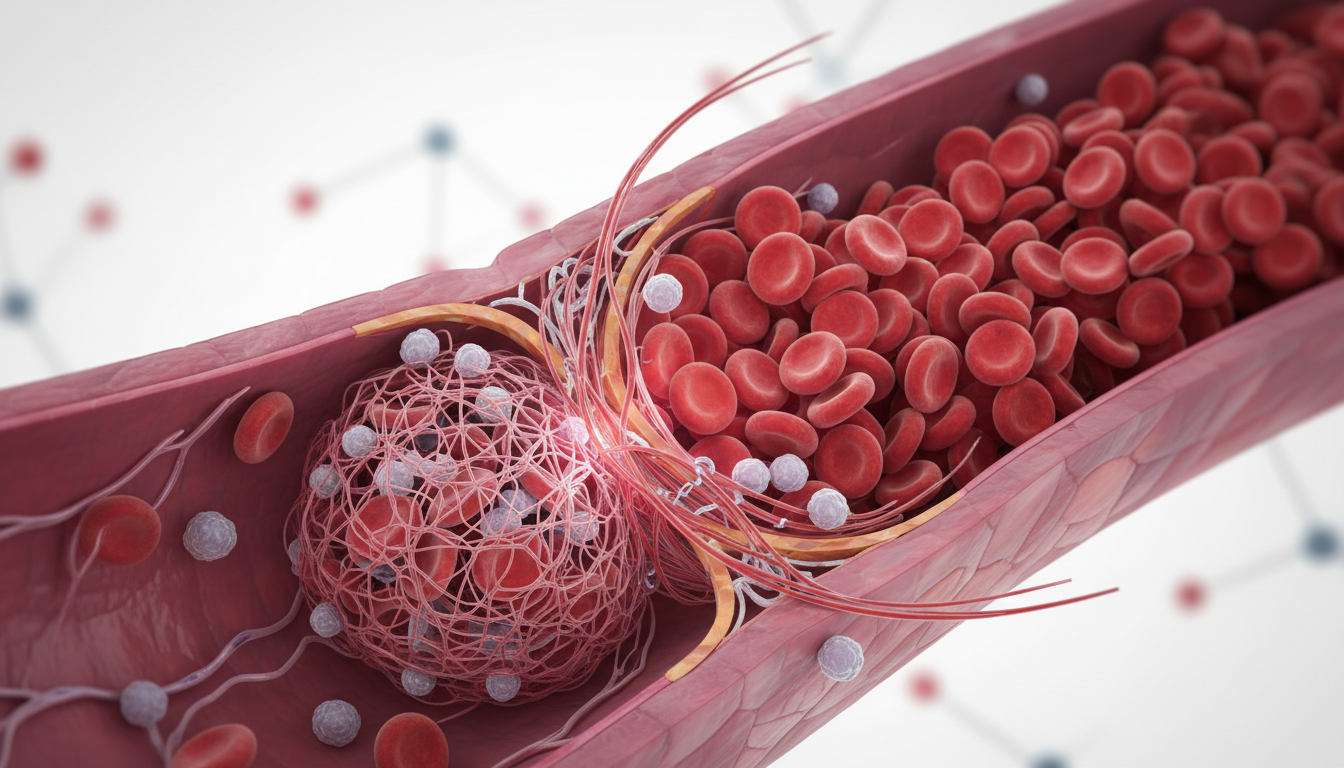
    Before diving into symptoms, it is vital to distinguish between two terms often used interchangeably but which represent distinct physiological events: a heart attack and sudden cardiac arrest. A heart attack is a circulation problem occurring when blood flow to a section of the heart muscle is blocked, usually by a clot in a coronary artery. The heart continues to beat, though the blocked muscle begins to die from lack of oxygen. In contrast, cardiac arrest is an electrical malfunction that causes the heart to stop beating altogether, leading to an immediate loss of consciousness. While a heart attack can lead to cardiac arrest, they are not the same; recognizing the former quickly can prevent the latter.

    The Classic Warning Signs: What to Look For

    The ‘classic’ presentation of a heart attack involves chest discomfort, but the sensation is often described as pressure, squeezing, or fullness rather than sharp pain. According to the Mayo Clinic, this discomfort may last more than a few minutes or go away and return. Crucially, pain can radiate beyond the chest to the jaw, neck, back, or arms—particularly the left arm. Other systemic signs include breaking out in a cold sweat, nausea, and shortness of breath. If you experience these symptoms, especially if they are sudden or severe, calling 911 immediately is the safest course of action.

    The Gender Gap: How Women Experience Symptoms Differently

    Biological sex plays a significant role in how heart attacks manifest. While chest pain is the most common symptom for both sexes, women are more likely than men to experience atypical symptoms. These can include shortness of breath, nausea/vomiting, and back or jaw pain—often without any chest pressure at all. Research indicates that women may even experience extreme fatigue or sleep disturbances weeks before the actual event. Because these signs mimic the flu or stress, women often delay seeking treatment, which can lead to poorer outcomes.

    Silent Ischemia: The Danger for Diabetics and the Elderly

    Perhaps the most treacherous form of this condition is the ‘silent’ heart attack, or silent myocardial infarction (SMI), which accounts for nearly 45% of all heart attacks. These events occur with mild symptoms or none at all. Populations at highest risk include the elderly and those with diabetes. High blood sugar can damage nerves over time—a condition called neuropathy—which may blunt the sensation of pain. Consequently, a diabetic patient might only feel shortness of breath or sudden weakness, completely missing the cardiac warning. This ‘silence’ is deadly because it delays treatment, allowing significant heart damage to occur unchecked.

    The ‘Golden Hour’: Why Time Is Muscle

    In emergency cardiology, the phrase ‘time is muscle’ is a governing principle. The Golden Hour refers to the critical 60-minute window following the onset of symptoms. Receiving treatment within this hour—typically angioplasty to open blocked arteries or thrombolytic drugs to dissolve clots—can largely preserve heart function. Beyond this window, heart muscle begins to die irreversibly. Studies show that mortality rates increase significantly for every minute of delay. This is why driving oneself to the hospital is strongly discouraged; paramedics can begin life-saving diagnostics and treatments such as aspirin and oxygen while en route.

    Immediate Action Plan: When to Visit the Hospital

    If you suspect you or someone else is having a heart attack, the rule is simple: act fast. Do not wait to see if the pain passes. Call emergency services immediately. If you are not allergic to aspirin, chewing a standard 325 mg aspirin while waiting for help can slow clot formation. It is better to visit the emergency room and be diagnosed with indigestion than to stay home and suffer permanent heart damage. Modern triage protocols allow doctors to quickly rule out cardiac events using EKGs and blood tests for troponin markers, ensuring that you get the right care without unnecessary delay.

    Conclusion

    Recognizing the symptoms of a heart attack requires moving beyond the dramatic clichés of television. It demands an awareness of the subtle, silent, and sometimes confusing signals our bodies send—whether it’s a persistent backache in a woman, sudden fatigue in a diabetic, or the classic chest pressure in a middle-aged man. By understanding the biological urgency of the ‘Golden Hour’ and the diversity of symptoms across different groups, we empower ourselves to act decisively. In the realm of cardiac health, vigilance is not just a virtue; it is a vital survival skill.


    Hospital Footer


  • Cardiac Screening

    Cardiac Screening


    Arogyadama Hospital

    Dargah Jail Road

    Vijaypura, 586103

    Call Us

    +91-74112-00102


    Book Appointment

    Follow us :

    Cardiac Screening

    What Is Cardiac Screening?

    Cardiac screening refers to a comprehensive series of medical evaluations and diagnostic tests designed to assess the overall health of the heart and blood vessels. These screenings help identify common risk factors such as high blood pressure, abnormal cholesterol levels, diabetes, irregular heart rhythms, and early structural or functional heart abnormalities. By detecting these issues at an early stage, cardiac screening plays a crucial role in preventing serious heart conditions such as heart attacks, heart failure, and stroke.

    Cardiac screening provides valuable insights into heart function, blood flow, and electrical activity, allowing doctors to evaluate how well the heart is working. It helps identify both symptomatic and silent heart conditions, especially in individuals with a family history of heart disease, lifestyle-related risk factors, or chronic illnesses. Regular cardiac screening enables timely medical intervention, lifestyle modifications, and personalized treatment plans, ultimately supporting long-term heart health and improving overall quality of life.

    Why Cardiac Screening Is Important for Adults

    As adults age, the risk of developing heart disease increases due to factors such as unhealthy lifestyle habits, chronic stress, genetic predisposition, and existing medical conditions like diabetes, hypertension, and obesity. Many heart conditions progress silently without noticeable symptoms, making regular cardiac screening essential.

    Cardiac screening plays a crucial role in preventive healthcare by:

    • Enabling early detection of heart-related abnormalities before they become serious

    • Identifying risk factors such as high cholesterol, high blood pressure, and irregular heart rhythms even in symptom-free individuals

    • Reducing the risk of major cardiac events, including heart attacks and strokes

    • Supporting timely medical intervention, lifestyle modifications, and appropriate treatment plans

    Early identification through routine cardiac screening allows doctors to monitor heart health closely, control disease progression, and prevent long-term complications. It empowers individuals to take proactive steps toward a healthier heart, improving quality of life and reducing the risk of sudden cardiac emergencies.

    Who Should Consider Cardiac Screening?

    Cardiac screening is strongly recommended for adults who are above the age of 35–40 years, as the risk of heart disease increases with age. Individuals with a family history of heart disease, especially those with parents or siblings affected at a young age, should consider regular heart check-ups. People suffering from chronic conditions such as diabetes, high blood pressure, high cholesterol, or obesity are at a significantly higher risk of developing cardiovascular problems and should undergo periodic cardiac evaluation.

    Those who lead a sedentary lifestyle, have limited physical activity, follow unhealthy dietary habits, or experience high levels of stress due to work or personal factors are also advised to undergo cardiac screening. Additionally, adults who experience warning symptoms such as chest pain or discomfort, shortness of breath, palpitations, dizziness, unexplained fatigue, or reduced exercise tolerance should seek immediate cardiac assessment.

    Importantly, even individuals without visible symptoms can benefit from routine cardiac screening as a preventive measure. Early detection of risk factors or silent heart disease allows timely lifestyle modification and medical intervention, helping prevent serious complications such as heart attacks, heart failure, or stroke. Regular cardiac screening plays a vital role in maintaining long-term heart health and overall well-being.

    Role of Cardiac Screening in Preventive Care

    Preventive cardiac screening plays a vital role in maintaining long-term heart health by identifying risk factors and early signs of heart disease before symptoms appear. Early detection allows timely lifestyle modifications and appropriate medical guidance, helping prevent the progression of serious cardiac conditions. Based on the screening results, doctors can create a personalized heart care plan tailored to an individual’s age, medical history, and risk profile.

    Recommendations may include dietary and lifestyle changes such as reducing salt and unhealthy fats, improving nutrition, and maintaining a healthy weight. Regular physical activity like walking, yoga, or structured exercise programs may be advised to strengthen the heart and improve circulation. Doctors may also suggest stress management techniques including relaxation exercises, meditation, and adequate sleep to reduce strain on the heart. When necessary, medications may be prescribed to control blood pressure, cholesterol, blood sugar, or other underlying conditions.

    By focusing on prevention, cardiac screening helps individuals make informed health choices and take control of their heart health. Preventive care significantly reduces the risk of heart attacks, strokes, and other heart-related complications, ensuring better quality of life and long-term well-being.

    Importance of Timely and Accurate Screening

    Accurate and timely cardiac screening ensures a reliable and comprehensive assessment of overall heart health. High-quality diagnostic testing, advanced equipment, and the expertise of experienced medical professionals play a crucial role in identifying potential heart conditions at an early stage. Proper interpretation of test results allows doctors to make informed clinical decisions, plan appropriate treatment strategies, and prevent complications. Regular cardiac monitoring also helps track disease progression, evaluate treatment effectiveness, and manage existing heart conditions more efficiently. Through consistent screening and follow-up care, patients can achieve better outcomes, improved quality of life, and long-term cardiovascular well-being.

    When Should You Get a Cardiac Screening?

    Adults are encouraged to undergo cardiac screening as part of routine health checkups to detect potential heart problems at an early stage, even before symptoms appear. Regular screening is especially important when risk factors such as high blood pressure, diabetes, high cholesterol, obesity, smoking, stress, or a family history of heart disease are present. Individuals experiencing warning signs like chest discomfort, shortness of breath, palpitations, dizziness, fatigue, or unexplained sweating should seek immediate evaluation. Cardiac screening may also be recommended on medical advice, based on age, lifestyle habits, work-related stress, and overall health profile.

    Early and regular heart screening helps identify risks early, enables timely treatment, prevents serious cardiac events, and supports proactive heart care for long-term heart health and well-being.

     Conclusion

    Cardiac screening is an essential step in safeguarding heart health and preventing serious cardiovascular conditions. Many heart diseases develop silently, showing few or no symptoms in their early stages. Through early detection and regular screening, potential risks such as high blood pressure, abnormal heart rhythms, blocked arteries, and cholesterol imbalances can be identified before they progress into life-threatening problems. Timely medical guidance and lifestyle interventions following screening can significantly improve quality of life, enhance long-term heart function, and reduce the risk of heart attacks and strokes.

    At Arogyadhama Heart & Superspeciality Hospital, our comprehensive cardiac screening services are designed to support early diagnosis, preventive care, and effective management of heart-related conditions. We offer a range of advanced diagnostic tests, including ECG, echocardiography, stress testing, blood investigations, and risk assessment tailored to individual health needs. Our experienced cardiologists carefully evaluate results and provide personalized recommendations for treatment, lifestyle modification, and follow-up care. With a strong focus on prevention and patient education, we help individuals take proactive steps toward better heart health, enabling them to lead healthier, more active, and confident lives.

    Stay connected with Arogyadhama Hospital


    Facebook-f


    Twitter


    Instagram


    Youtube


    Linkedin


    Hospital Footer


  • Importance of Laboratory Tests in Accurate Diagnosis

    Importance of Laboratory Tests in Accurate Diagnosis


    Arogyadhama Hosptital

    Dargah Jail Road

    Vijayapura, 586103

    Call Us

    +91-74112-00102


    Book Appointment

    Importance of Laboratory Tests in Accurate Diagnosis

    Accurate diagnosis is the cornerstone of effective medical care and successful treatment outcomes. In modern healthcare, laboratory tests serve as a vital diagnostic tool that supports doctors in understanding a patient’s health condition with clarity and precision. From detecting diseases at an early stage to monitoring ongoing treatments, laboratory investigations provide essential insights that guide clinical decisions. Timely, accurate, and reliable lab results ensure that patients receive appropriate care without unnecessary delays, improving both safety and outcomes.

    What Are Laboratory Tests?

    Laboratory tests are specialized medical investigations performed on biological samples such as blood, urine, stool, tissue, and other bodily fluids to assess a person’s health accurately. These tests help evaluate the functioning of vital organs, detect infections, identify nutritional deficiencies, monitor chronic diseases, and diagnose a wide range of medical conditions at an early stage. By converting biological samples into precise, measurable data, laboratory testing provides doctors with reliable scientific evidence to support clinical findings. Lab reports assist in confirming diagnoses, ruling out potential conditions, guiding treatment decisions, and tracking a patient’s response to therapy over time. As an essential part of preventive, diagnostic, and follow-up care, laboratory services play a critical role in delivering accurate, timely, and effective medical treatment.

    Role of Laboratory Tests in Diagnosis

    Laboratory tests provide objective and measurable information that cannot always be identified through physical examination alone. They play a vital role in modern healthcare by supporting accurate diagnosis and effective treatment planning. Laboratory investigations help in detecting diseases at an early stage, often before symptoms become severe, allowing timely medical intervention. They assist in identifying infections, inflammation, and underlying metabolic or hormonal imbalances that may not be clinically apparent.

    Laboratory tests are also essential for confirming suspected medical conditions, ruling out differential diagnoses, and assessing the severity of illness. Continuous testing helps in monitoring disease progression, evaluating organ function, and tracking a patient’s response to treatment or medication adjustments. In chronic diseases, regular laboratory monitoring supports long-term disease management and prevention of complications.

    Accurate and reliable test results enable clinicians to make informed, evidence-based decisions, reduce the risk of misdiagnosis, and ensure patient safety. With advanced technology, standardized protocols, and skilled laboratory professionals, laboratory services form the backbone of quality healthcare and improved patient outcomes.

    Importance of Early and Accurate Testing

    Early laboratory testing plays a vital role in detecting medical conditions before symptoms become severe or life-threatening. Timely and accurate test results enable healthcare providers to make informed clinical decisions at the earliest stage of illness. This early detection leads to faster initiation of appropriate treatment, preventing disease progression and reducing the need for complex interventions.

    Laboratory testing also supports better management of chronic illnesses such as diabetes, heart disease, kidney disorders, and thyroid conditions by closely monitoring disease markers and treatment effectiveness. Regular testing helps doctors adjust medications and lifestyle recommendations promptly, ensuring optimal control of long-term conditions.

    By identifying abnormalities early, laboratory tests significantly reduce the risk of complications, hospitalizations, and emergency situations. Early intervention not only improves recovery rates but also contributes to improved patient outcomes and quality of life.

    In addition, routine and preventive testing is essential for maintaining overall health. These tests help detect hidden health risks such as infections, nutritional deficiencies, hormonal imbalances, and early signs of organ dysfunction—even before symptoms appear. Preventive laboratory screening empowers individuals to take proactive steps toward better health, timely medical consultation, and long-term disease prevention.

    Laboratory Tests in Treatment Planning

    Laboratory results play a vital role in planning, guiding, and customizing treatment strategies for every patient. Doctors rely on accurate and timely lab findings to make informed clinical decisions, ensuring that treatment is both safe and effective. Laboratory reports help physicians choose the most appropriate medications, determine the correct dosage levels, and tailor therapies according to the patient’s condition and response. Continuous monitoring through lab tests allows doctors to track treatment effectiveness, identify improvements or complications, and make necessary adjustments in real time. Early detection of potential side effects, infections, or organ dysfunction through regular testing helps prevent serious complications. Overall, ongoing laboratory testing ensures optimal patient care, supports faster recovery, and maintains safety throughout the entire treatment journey.

    Quality and Reliability in Laboratory Testing

    Accurate diagnosis depends heavily on the quality and reliability of laboratory processes. Strict quality control measures, standardized testing protocols, and the expertise of trained laboratory professionals play a vital role in ensuring precise and consistent test results. The use of calibrated equipment, validated reagents, and regular internal and external quality assessments further strengthens diagnostic accuracy. Timely reporting of results enables clinicians to make prompt and informed treatment decisions, which is critical for patient outcomes. In addition, strict adherence to safety, hygiene, and biosecurity protocols ensures both patient and staff safety while maintaining the integrity and trustworthiness of laboratory investigations.

    When Should You Get Laboratory Tests Done?

    Laboratory tests play a vital role in the early detection, diagnosis, and monitoring of health conditions. They are recommended in several situations to help doctors make accurate medical decisions.

    • Symptoms persist or worsen:
      When symptoms such as fever, pain, fatigue, weight changes, or infections do not improve or become more severe, laboratory tests help identify the underlying cause and guide appropriate treatment.

    • Routine health checkups are due:
      Regular blood and urine tests during preventive health checkups help detect health issues early, even before symptoms appear. Early diagnosis allows timely intervention and better long-term health outcomes.

    • Managing chronic conditions such as diabetes or heart disease:
      Patients with long-term illnesses require regular laboratory monitoring to assess disease control, adjust medications, and prevent complications. Tests such as blood sugar, HbA1c, lipid profile, and kidney function tests are essential for ongoing care.

    • Monitoring recovery after surgery or treatment:
      Laboratory tests help track healing progress, detect infections, evaluate organ function, and ensure that treatments or surgeries are effective. This monitoring supports safer recovery and reduces the risk of complications.

    • Before starting or adjusting medications:
      Certain medications require baseline and follow-up tests to ensure they are safe and effective. Laboratory testing helps monitor potential side effects and ensures optimal treatment planning.

    • When advised by a healthcare professional:
      Consulting a doctor helps determine the most appropriate tests based on age, medical history, lifestyle, and current health concerns. Personalized testing ensures accurate diagnosis and targeted treatment.

    Regular laboratory testing supports preventive care, accurate diagnosis, and effective treatment, helping individuals maintain better health and well-being.

    Conclusion

    Laboratory tests are an essential part of modern healthcare, playing a vital role in accurate diagnosis, effective treatment planning, disease monitoring, and preventive care. Reliable laboratory investigations help doctors understand a patient’s condition clearly, detect illnesses at an early stage, and provide timely, targeted medical interventions. From routine health screenings to advanced diagnostic tests, laboratory services form the foundation of informed medical decision-making.

    At Arogyadhama Heart & Superspeciality Hospital, our well-equipped laboratory and experienced team of pathologists, technicians, and healthcare professionals are committed to delivering accurate, timely, and dependable diagnostic services. We utilize advanced testing equipment, standardized procedures, and strict quality control measures to ensure precise results. With round-the-clock availability and seamless integration with clinical departments, our laboratory supports comprehensive patient care, faster diagnosis, and improved treatment outcomes. Our focus on accuracy, efficiency, and patient safety ensures reliable diagnostic support for both routine and critical medical needs.

    Stay connected with Arogyadhama Hospital


    Facebook-f


    Twitter


    Instagram


    Youtube


    Linkedin


    Hospital Footer


  • How Lifestyle Choices Influence Long-Term Heart Health

    How Lifestyle Choices Influence Long-Term Heart Health


    Arogyadhama Hosptital

    Dargah Jail Road

    Vijayapura, 586103

    Call Us

    +91-74112-00102


    Book Appointment

    How Lifestyle Choices Influence Long-Term Heart Health

    Heart health is strongly influenced by the lifestyle choices we make every day. Habits related to diet, physical activity, stress, sleep, and substance use play a significant role in determining long-term cardiovascular well-being. Adopting healthy lifestyle practices can help prevent heart disease and improve overall quality of life.

    Understanding the Connection Between Lifestyle and Heart Health

    Lifestyle choices play a crucial role in determining how the heart functions over time. Unhealthy habits such as poor diet, physical inactivity, smoking, excessive alcohol consumption, chronic stress, and inadequate sleep can gradually strain the heart and blood vessels. Over time, these behaviors may contribute to conditions like high blood pressure, elevated cholesterol levels, obesity, and diabetes—major risk factors that significantly increase the likelihood of developing heart disease, stroke, and heart failure.

    In contrast, adopting healthy lifestyle habits supports efficient blood circulation, maintains optimal heart rhythm, strengthens the heart muscle, and helps regulate blood sugar and cholesterol levels. Regular physical activity, balanced nutrition, stress management, and adequate rest work together to reduce inflammation and prevent damage to the cardiovascular system.

    The impact of lifestyle choices is cumulative, meaning small daily decisions—what you eat, how much you move, how well you sleep, and how you manage stress—add up over time. By making consistent, heart-healthy choices, individuals can significantly lower their risk of cardiovascular disease, improve overall energy levels, and enhance long-term heart health and quality of life.

    Role of a Balanced Diet in Heart Health

    A nutritious and balanced diet plays a vital role in maintaining a healthy heart and preventing cardiovascular diseases. Diets rich in fresh fruits, vegetables, whole grains, lean proteins, and healthy fats provide essential nutrients that support heart function, improve blood circulation, and help maintain healthy cholesterol levels. Including fiber-rich foods helps reduce bad cholesterol (LDL), while healthy fats such as nuts, seeds, and fish support good cholesterol (HDL).

    Limiting excessive salt, added sugars, saturated fats, and trans fats is equally important, as these can raise blood pressure, increase cholesterol levels, and put additional strain on the heart. Reducing the intake of processed foods, fried items, and sugary beverages helps lower the risk of heart attack and stroke. When combined with regular physical activity and healthy lifestyle choices, a heart-friendly diet significantly improves overall cardiovascular health and promotes long-term well-being.

    Importance of Physical Activity

    Regular physical activity strengthens the heart muscle, improves blood circulation, and helps maintain a healthy body weight, all of which are essential for long-term cardiovascular health. Exercise also plays a vital role in regulating blood sugar levels, lowering bad cholesterol (LDL), and increasing good cholesterol (HDL), thereby reducing the risk of heart disease and stroke. Physical activity helps manage stress, improves sleep quality, and boosts overall energy levels, contributing to better heart function.

    Even moderate activities such as brisk walking, cycling, swimming, yoga, or light aerobic exercises can offer significant benefits when practiced consistently. Engaging in at least 30 minutes of physical activity on most days of the week helps improve endurance, strengthens the heart, and supports healthy blood pressure levels. Making regular exercise a part of your daily routine can greatly enhance heart health and overall well-being at any age.

    Impact of Stress and Sleep on Heart Health

    Chronic stress can significantly impact cardiovascular health by increasing blood pressure, heart rate, and stress hormone levels, all of which place additional strain on the heart over time. Prolonged exposure to stress may contribute to inflammation, unhealthy coping habits, and poor lifestyle choices that further elevate the risk of heart disease. Practicing effective stress-management techniques such as deep-breathing exercises, meditation, yoga, mindfulness, and regular physical activity can help calm the nervous system and support heart health. Maintaining a healthy work-life balance, setting realistic goals, and taking time for relaxation are equally important in reducing long-term stress.

    Adequate and quality sleep plays a vital role in heart health and overall well-being. Poor sleep patterns, irregular sleep schedules, and sleep deprivation are linked to an increased risk of high blood pressure, obesity, diabetes, and cardiovascular disease. During sleep, the body repairs tissues, regulates hormones, and allows the heart and blood vessels to rest and recover. Adults should aim for 7–8 hours of uninterrupted sleep each night, along with good sleep hygiene practices such as limiting screen time before bed, maintaining a consistent sleep schedule, and creating a calm sleep environment to support optimal heart function.

    Effects of Smoking and Alcohol Consumption

    Smoking is a major risk factor for heart disease, as it damages the inner lining of blood vessels, promotes plaque buildup, and reduces the amount of oxygen reaching the heart muscle. It increases the risk of heart attack, stroke, and peripheral artery disease, even in younger individuals. Long-term smoking also raises bad cholesterol (LDL) levels while lowering good cholesterol (HDL), further worsening cardiovascular health. Quitting smoking at any age significantly improves heart function, lowers blood pressure, and reduces the risk of serious cardiovascular complications within months.

    Excessive alcohol consumption can also have harmful effects on heart health. Regular heavy drinking raises blood pressure, weakens the heart muscle, and increases the risk of irregular heart rhythms such as atrial fibrillation. Alcohol can also contribute to weight gain, poor sleep, and elevated triglyceride levels, all of which strain the heart. Moderation and responsible drinking habits are essential, and for individuals with existing heart conditions, complete avoidance may be recommended to protect long-term cardiovascular health.

    Importance of Regular Health Checkups

    Regular health checkups play a crucial role in monitoring key health indicators such as blood pressure, cholesterol levels, blood sugar, and body weight, all of which directly impact heart health. Early identification of abnormal values or risk factors enables timely lifestyle modifications, dietary changes, and medical guidance before conditions progress. Routine screenings also help assess family history, stress levels, and physical activity patterns that may influence cardiovascular health. By detecting potential issues early, regular checkups support proactive heart care, reduce the risk of heart attack and stroke, and help prevent long-term complications. Consistent preventive care empowers individuals to maintain better heart health and overall well-being.

    Conclusion

    Lifestyle choices play a decisive role in shaping long-term heart health. Daily habits such as balanced nutrition, regular physical activity, stress management, and adequate sleep directly influence blood pressure, cholesterol levels, and overall cardiovascular function. Avoiding tobacco, limiting alcohol consumption, and maintaining a healthy weight further reduce the risk of heart disease and related complications. Simple, consistent lifestyle changes can significantly lower the chances of heart attacks, strokes, and other cardiac conditions while enhancing energy levels and quality of life.

    At Arogyadhama Heart & Superspeciality Hospital, we emphasize preventive cardiac care alongside advanced diagnostic and treatment services. Our approach focuses on educating patients about heart-healthy lifestyles, early risk detection, and regular health screenings to identify potential issues before they become serious. With expert cardiologists, personalized lifestyle guidance, and comprehensive cardiac care under one roof, we support patients at every stage of their heart health journey—helping them maintain strong, healthy hearts and lead active, fulfilling lives.

    Stay connected with Arogyadhama Hospital


    Facebook-f


    Twitter


    Instagram


    Youtube


    Linkedin


    Hospital Footer


  • When to Consult a Cardiologist: Key Warning Signs

    When to Consult a Cardiologist: Key Warning Signs


    Arogyadama Hospital

    88 Sunset Road

    Kuta, Bali 80225

    Call Us

    +62 234 6754 345


    Book Appointment

    Follow us :

    When to Consult a Cardiologist: Key Warning Signs

    Heart-related symptoms should never be ignored, particularly when they persist or worsen. Warning signs such as chest discomfort, shortness of breath, palpitations, dizziness, swelling in the legs, or unexplained fatigue may indicate underlying cardiovascular disease.

    Individuals with risk factors such as hypertension, diabetes, high cholesterol, obesity, smoking history, or a family history of heart disease should undergo periodic cardiac evaluation, even in the absence of symptoms.

    Diagnostic assessments may include ECG, echocardiography, stress testing, and blood evaluation. Early specialist consultation allows for timely diagnosis, preventive therapy, lifestyle modification, and improved treatment outcomes.

    Seeking cardiology care at the first sign of abnormal symptoms is essential to avoid complications such as heart attack, stroke, or heart failure.

    Stay connected with Arogyadhama Hospital


    Facebook-f


    Twitter


    Instagram


    Youtube


    Linkedin


    Hospital Footer


  • The Role of Physiotherapy in Post-Surgical Recovery

    The Role of Physiotherapy in Post-Surgical Recovery


    Arogyadama Hospital

    88 Sunset Road

    Kuta, Bali 80225

    Call Us

    +62 234 6754 345


    Book Appointment

    Follow us :

    The Role of Physiotherapy in Post-Surgical Recovery

    Physiotherapy plays a critical role in recovery after surgical procedures. Post-operative physiotherapy helps improve mobility, muscle strength, and joint function while reducing pain and stiffness. It also supports blood circulation, prevents deep vein thrombosis, and enhances respiratory function in relevant surgeries.

    Therapeutic exercises, manual therapy, and rehabilitation techniques are tailored to the patient’s surgical procedure, age, and physical condition. Physiotherapy also improves confidence and functional independence, reducing the risk of long-term disability.

    Early intervention, under supervised guidance, can significantly accelerate recovery outcomes. Patients should follow rehabilitation plans consistently and avoid strenuous or unsupervised physical activity during the healing phase.

    Stay connected with Arogyadhama Hospital


    Facebook-f


    Twitter


    Instagram


    Youtube


    Linkedin


    Hospital Footer


  • Childhood Vaccination: Importance and Recommended Schedule

    Childhood Vaccination: Importance and Recommended Schedule


    Arogyadhama Hosptital

    88 Sunset Road

    Kuta, Bali 80225

    Call Us

    +62 234 6754 345


    Book Appointment

    Follow us :

    Childhood Vaccination: Importance and Recommended Schedule

    Vaccination is one of the most effective public health measures to prevent life-threatening diseases in children. Immunization stimulates the body’s immune system to recognize and fight specific pathogens without causing illness. Vaccines have significantly reduced or eliminated the prevalence of diseases such as polio, measles, diphtheria, and whooping cough.

    The World Health Organization and national health authorities recommend a structured vaccination schedule for children beginning at birth and continuing through adolescence. Timely vaccination helps prevent infection, reduce complications, and limit disease transmission within communities.

    Parents should ensure their child receives all mandatory vaccines and follow booster schedules as advised by healthcare professionals. Missing or delaying vaccines increases vulnerability to infectious diseases and outbreaks.

    Vaccination is safe, evidence-based, and closely regulated to ensure effectiveness. Mild fever or soreness after vaccination is normal and temporary. Parents should consult pediatric healthcare providers if they have concerns or require clarification about specific vaccines.

    Stay connected with Arogyadhama Hospital


    Facebook-f


    Twitter


    Instagram


    Youtube


    Linkedin


    Hospital Footer


  • Women’s Reproductive Health: Why Preventive Care Matters

    Women’s Reproductive Health: Why Preventive Care Matters


    Arogyadama Hospital

    88 Sunset Road

    Kuta, Bali 80225

    Call Us

    +62 234 6754 345


    Book Appointment

    Follow us :

    Women’s Reproductive Health: Why Preventive Care Matters

    Women’s reproductive health encompasses menstrual health, fertility, pregnancy, hormonal balance, and menopausal care. Many gynecological conditions such as PCOS, endometriosis, cervical cancer, and fibroids often go undiagnosed due to delayed medical consultation or lack of awareness.

    Regular gynecological checkups help detect infections, hormonal imbalances, and precancerous conditions early. Screenings such as pelvic examinations, Pap smears, breast exams, and ultrasound assessments are recommended based on age and symptoms. Lifestyle factors including poor diet, stress, irregular sleep patterns, and lack of exercise can influence reproductive health and menstrual cycles.

    Common symptoms such as irregular menstruation, excessive bleeding, pelvic pain, unusual discharge, or severe cramping should not be ignored. Seeking timely medical attention can prevent progression of disease and support better long-term health outcomes. Women approaching menopause should also consult specialists to manage symptoms such as mood changes, bone loss, and metabolic changes.

    Reproductive health is a lifelong priority, not limited to pregnancy or fertility concerns. Awareness and preventive care can significantly improve quality of life and reduce risks of serious conditions.

    Stay connected with Arogyadhama Hospital


    Facebook-f


    Twitter


    Instagram


    Youtube


    Linkedin


    Hospital Footer


  • Top Immunity-Boosting Foods Backed by Science

    Top Immunity-Boosting Foods Backed by Science


    Arogyadama Hospital

    88 Sunset Road

    Kuta, Bali 80225

    Call Us

    +62 234 6754 345


    Book Appointment

    Follow us :

    Top Immunity-Boosting Foods Backed by Science

    A strong immune system depends on a balanced diet rich in vitamins, minerals, antioxidants, and probiotics.

    Recommended Foods

    • Citrus fruits (Vitamin C)

    • Turmeric and ginger (anti-inflammatory properties)

    • Nuts and seeds (Vitamin E and zinc)

    • Yogurt (probiotics)

    Hydration and Sleep

    Adequate water intake and 7–8 hours of sleep play a key role in strengthening immunity.

    Stay connected with Arogyadhama Hospital


    Facebook-f


    Twitter


    Instagram


    Youtube


    Linkedin


    Hospital Footer